
Useful learning is specific.
A term, a study or a personal record can each clarify part of a question. They do different jobs, and it helps to keep their limits visible while you read.
Guides and reference
Orient yourself before following a more specific question.

Articles
Longer reading for one focused question.

Vivid or lucid dream?
A vivid dream feels detailed; a lucid dream includes knowing you are dreaming. Compare examples, awareness and control without forcing a label.
- Vividness
- Awareness

Lucidity without control
Knowing you are dreaming is not the same as controlling the dream. Compare recognition, intention and outcome, with examples and a simple morning note.
- Recognition
- Intention
- Outcome

Prompts for dream fragments
Dream journal prompts for mornings with only a word, image or feeling. Use eight optional questions, an example and a simple template without inventing details.
- Notice a fragment
- Leave gaps open

From dream to art
Turn one remembered dream image into a sketch, scene, collage or short piece of writing while keeping the original note and later inventions distinct.
- One remembered detail
- Make additions visible

How long does a lucid dream last?
There is no universal lucid-dream duration. Separate felt duration, a marked task interval and the length of the account you remember.
- Felt duration
- What can be marked

Remembering an old dream
Record an old dream with care by separating what you remember now, any dated note and the associations or retellings that came later.
- Remembered now
- Keep dates open

Notebook or voice memo?
Compare a notebook and a voice memo for dream journaling, including comfort, review, privacy and a simple way to preserve an original record.
- Write or speak
- Keep the original

Dream journal privacy
Make considered privacy choices for paper notes, audio, apps, backups, exports and deliberate sharing of a dream journal.
- Access
- Copies
- Deliberate sharing

How accurate is dream memory?
Dream memory is a remembered report, not a percentage score. Preserve the first record, mark uncertainty and date later additions or corrections.
- First record
- Later additions

Telling someone you are dreaming
Record a dream conversation about dreaming by separating what you understood, what was said and how you remember the reply now.
- What I knew
- What was said

Recurring dream locations
Record recurring dream locations by comparing dated reports, leaving missing edges blank and separating familiarity from lucid awareness.
- Dated reports
- Keep missing edges blank

Dream signs and emotional meaning
Explore a recurring dream cue and its emotional meaning by separating observable features, remembered feeling and later interpretation.
- Observable cue
- Remembered feeling
- Later meaning

Reading screens in dreams
Describe a book, sign or phone in a dream without treating unusual text as proof of lucidity or an explanation of the brain.
- Visible detail
- Remembered gist

Dreaming in another language
Record another language in a dream by separating exact words, remembered gist, assumed language and a later translation.
- Exact words
- Remembered gist

Returning to the same dream
Compare a remembered continuation, a new scene in the same setting and waking imagination without assuming one uninterrupted dream story.
- Ending
- Next beginning

Sleep incubation and creativity
Understand sleep incubation research by separating a prompted task, a later insight and everyday creative work.
- Prompted task
- Later insight

Talking to dreamers in real time
Read real-time dream dialogue research by separating a verified signal, a response and the later waking account.
- Verified signal
- Brief exchange

How researchers verify lucid dreaming
See how sleep recordings, intentional markers, waking reports and independent scoring support lucid-dream research.
- Intentional marker
- Independent scoring

Learning in lucid dreams
Read lucid-dream practice research without treating one motor task as proof that sleep can replace ordinary learning.
- Motor task
- Comparison groups

REM, non-REM and dream recall
Understand why sleep stage, dream experience and what you recall on waking are related but distinct questions.
- Sleep state
- Waking report

Sounds entering dreams
Understand sound-cue research by separating a sound heard in sleep, a later report and a measured task element.
- Sound cue
- Reported element

Science behind OBE-like experiences
Compare two awake body-ownership experiments without treating their results as proof of perception outside the body.
- Body ownership
- Self-location

Out-of-body experience or a lucid dream?
Compare awareness and perspective, with clear examples and room for uncertainty.
- Awareness & perspective

Lucid dreaming and sleep quality
A careful look at awareness in dreams, deliberate induction and the sleep around them.
- Sleep first
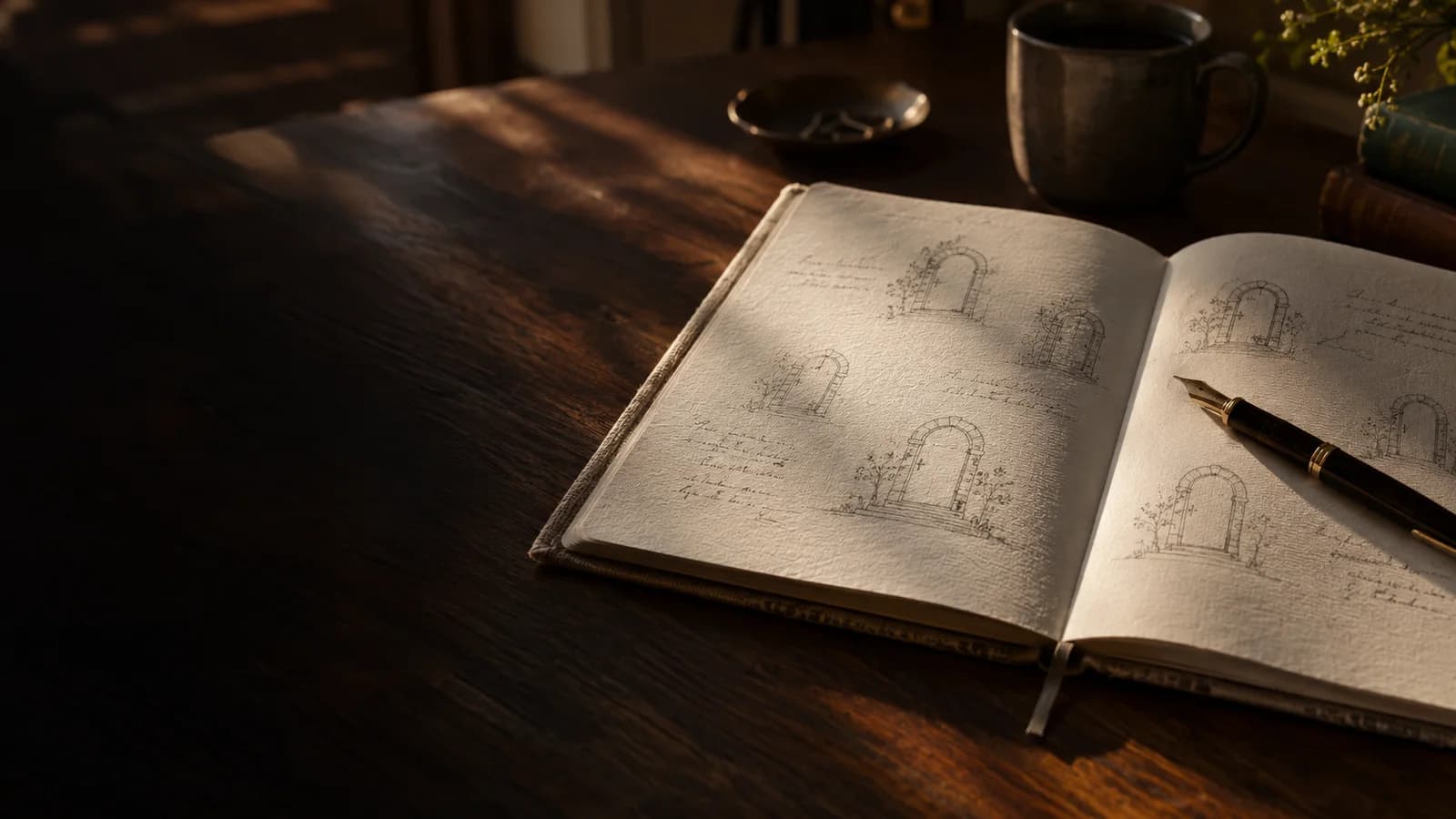
Dream signs
Find possible cues in your own notes and see how one can fit into MILD rehearsal.
- Personal cues
- Copyable worksheet

Lucid dreaming not working?
Review dream recall, recognition, rest and one useful next question without making the night a test.
- Sleep first
- Copyable review note
Questions around sleep and waking
Follow the experience that best matches what you want to understand.

Hypnagogia
Learn about the transition towards sleep without turning it into a target.
- Sleep onset

Hypnopompia
Understand perceptions around waking and distinguish them from a dream of getting up.
- Waking up

False awakenings
Read about dreams that feel like waking up.
- Dream experience

Sleep paralysis
Find grounded context for a temporary boundary state that can be frightening.
- Waking boundary

OBE-like experiences
Read a careful introduction to unusual shifts in perspective or location.
- Personal report